aseverar que, la
capacidad del docente para adaptar el lenguaje y las metodologías a la realidad
cultural, es vital para el aprendizaje significativo.
Se concluye que el discurso del docente rural, al integrar y acomodar el habla,
constituye la estrategia fundamental para que los referentes de calidad sean
internalizados y aplicados, durante las prácticas pedagógicas y las transforma
en pertinentes y enriquecedoras.
Palabras Clave: educación rural,
alfabetización, mediación, sociolingüística, calidad educativa.
Introduction
The
present written discourse is aimed at examining how rural teachers interpret,
adapt, and implement the quality benchmarks of the Ministerio de Educación de
Colombia (MEN, 2006) in their literacy
processes, through communicative strategies adjusted to the sociolinguistic
context, from a critical perspective supported by speech accommodation theory
and the sociocultural approach. Specifically, it concerns the reading and
writing that teachers working in rural areas utilize. As has been noted, the
literature has described the existence of a gap in educational quality in
relation to the teaching practice that takes place in urban settings.
Therefore, it is essential to understand the difficulties faced by teachers who
carry out their pedagogical activity in rural areas. Likewise, one must
understand how they interpret and adapt the educational quality benchmarks
proposed by the MEN (2006) in their
pedagogical practice, and within them, specifically those referring to the
basic standards of language competencies.
It
is necessary to take into consideration that the basic training teachers have
received through universities often has an impact on how they approach
pedagogical practice concerning the teaching of reading and writing. It must be
said that there are notable differences when educators have a pedagogical
background as primary education teachers, compared to those who are
incorporated into teaching but have non-teaching professions. Hence, notable
differences appear depending on the prior and specific training received by
those who practice teaching.
Thus,
it is necessary to be clear about the knowledge that rural teachers possess
regarding the quality benchmarks for teaching reading and writing. Regarding
their work, the rural teacher manifests the traces of their professional
training, as well as their own conceptions about the teaching process. However,
contradictions are evident between these theoretical knowledge bases and the
personal beliefs that guide their teaching. This situation is aggravated
because some rural teachers are assigned to multigrade institutions without
knowing the requirements of the quality benchmarks, since universities do not
include these topics in their training programs.
Under
this prism, then, the intention has been to examine how the MEN (2006) quality benchmarks are integrated both
in the discourse and in the pedagogical practice of teachers working in rural
areas. In that context, the rural teacher needs to rethink, reconstruct, and
adapt a didactic approach for teaching reading and writing in a context marked
by developing their pedagogical practice in multigrade schools. From the point
of view of educational needs, Núñez (2010) proposes
a change that includes an educational policy. This implies reflecting on how to
strengthen rural education with programs that incorporate the culture,
knowledge, and interests of the learners. Likewise, the need to empower
pedagogical practice by promoting communication open to the student's needs is
highlighted.
In
this perspective, it must be understood that education in rural areas currently
represents a challenge, but it is also an opportunity to achieve social equity,
based on the teaching of reading and writing as fundamental competencies for
cognitive development and communicability. It is necessary to understand that,
in rural contexts, with the diversity of ages and learning levels in multigrade
classrooms, it is a priority to incorporate flexible pedagogical strategies
grounded in the very principles required by educational quality.
Now,
regarding the discursive dissertation derived from the research conducted, it
is important to indicate that the teaching of reading and writing in rural
areas is based on the principles of educational justice and the right to
comprehensive education, as proposed by Freire
(1977) and Vygotsky (1978), who highlight the importance of
the sociocultural context in literacy processes. The teaching of reading and
writing in these settings requires methodologies that not only transmit
knowledge but also enhance critical thinking and the autonomous construction of
learning, considering the interconnection between language, identity, and
community.
From
a methodological point of view, the writing act is justified because it is
elaborated based on research that has been developed under the qualitative
approach. In congruence with this, ethnography was established as a means of
approaching the research object. Now, given that the teacher's discourse
regarding their own discursive particularities was taken as part of the
inquiry, narrativization was used as part of the analytical process (Biglia and
Boent-Martí, 2009, as cited in Silva Batatina, 2017).
For the purposes of information, the informants were seven (07) teachers,
distributed into two groups. The first group consisted of four (04) teachers
who received studies offered by the MEN (2013) through
the "Scholarships for Teaching Excellence" program. Meanwhile, the
second group consisted of three (03) teachers with differentiated training.
They were selected intentionally, for which specific criteria were established.
This
discourse has delved into quality benchmarks, rural education, and teacher
discourse. Quality benchmarks, because they establish the guiding
epistemological and pedagogical axes linked to rural education. This is
important for addressing how it meshes with the social and economic structure,
since it is necessary to analyze the relevant mechanisms linked to the needs of
teachers working in rural areas. Regarding teacher discourse, reference is made
to the communicational process that the teacher includes as part of the
interaction with their students. Thus, discourse refers to how the verbal, as
well as proxemics and non-verbal language, are oriented to mediate the teaching
and learning processes.
The quality benchmarks of the National Ministry of Education
In the first years of schooling, the MEN (1994) proposes epistemological and pedagogical orientations
for the rural sector. In this context, the teacher must become familiar with
and master the texts included in the curriculum to comply with the academic
benchmarks that seek progress in student learning, with the purpose of
improving student learning.
In this sense, it is essential to know the
specific educational policies that concern the characteristics of the rural
sector. Indeed, Ley 115 (1994) in Article 64 promotes the fostering of rural
education. To such effects: "The National Government and territorial
entities shall promote a formal, non-formal, and
informal rural and peasant education service, subject to the respective
development. plans." (translation by the journal). Thus, it is necessary to recognize the
importance of providing attention to dispersed communities, which is a frequent
characteristic in the rural sector. This must be done through education. At the
same time, mechanisms are fostered for rural education that allow access to
education with special treatment (Mexican
Legislation, 2022). However, although
the state promotes the training of rural educators, a debt persists in terms of
offering a global education equipped with specific technological tools for each
population.
In this context, to advance the attention to
rural education, in Los ineamientos curriculares de Lengua Castellana,
the Ministerio deEducación Nacional (1998) presents the quality benchmarks, which are
linked to the spirit and purpose contained in Ley
115 de Educacion (1994). These guidelines
offer curricular and pedagogical orientation, based on the approaches of
various theorists who guide the educator's work. The document is structured in
five chapters, which are succinctly specified below:
In the first chapter, reflection is made on the
importance of constant interaction with texts so that the subject appropriates
information. In this mediation process, the teacher finds strategies that
facilitate discourse comprehension.
In the second chapter, the organization of the
curriculum is developed, as it proposes guided teaching through projects. In
the third chapter, it delves into the concept of language, aided by specific
theories. This structure proposes the development of communicative competencies
in conceptualization (reading, writing, speaking, and listening).
Chapter 4: Los lineamientos curriculares de
Lengua Castellana, focuses on the teaching of reading and writing,
approaching the construction of alphabetic code processes. According to the Ministerio de Educación Nacional (1998), the development of meaningful systems is proposed,
which favor thinking about how the child understands and writes about their
environment with their own graphics. From their written production, the child,
with their own production, approaches conventional graphics, identifying them in
all texts. Over time, this graphics become part of their knowledge and they
internalize it. The teacher knows how graphics develop, creating plans,
methodologies, and strategies supported by the proposals of Ferreiro,
Teberosky, Rincón, and Villegas (as cited in MEN,
1998). Meanwhile, in axis
five, considerations are made regarding the development of thought. This
approach is based on Vygotsky's proposal to enhance learning through active
experiences.
The teaching of reading and writing is
contemplated in the Lineamientos curriculares de Lengua Castellana of
the MEN (1998). In principle, it is expected and hoped that teachers
know these guidelines when planning and adapting strategies in congruence with
the established postulates for guiding reading and writing. However, in
practice, it is observed that although many educators master the curricular
guidelines and the theoretical foundation related to these areas, they still
face difficulties in articulating this knowledge with their practice.
Consequently, the development of reading and writing competencies is reduced to
superficial compliance with content, without truly evaluating student progress.
This approach prevents fulfilling the teleology established in the curriculum,
especially regarding the development of these competencies in the first grades
of primary education.
On the other hand, in the Estándares básicos de competencia de
Lenguaje, the Ministerio de Educación Nacional (2006) proposes the development of communicative
competencies. That is, actions that allow the student to communicate and
interact effectively in their social environment within society. In this sense,
teachers guide students to become aware of their context, thus fostering
literate and literacy-promoting school environments. In this way, the teacher
not only imparts knowledge but also offers the student tools to face their own
learning. And here, the speech accommodation theory of Giles
et al. (1973: 189) is established as a
foundation, who have expressed:
Language accommodation then has been seen to be
more than just wholly an all-or-none process at least in this experimental
situation. Some EC Ss in the sample were prepared to alternately mix the two
languages, thereby shifting the emphasis from one code towards another (a
phenomenon akin to the modifications apparent in response matching). (translation by the journal).
What has been expressed brings together the
fundamental idea that human communication is dynamic and active. Therefore,
when the speaker performs the accommodative act of their speech, it is not only
about choosing a linguistic criterion, but rather establishes a bond and a kind
of attunement that leads the speaker to provide an appropriate response,
according to their experience with the environment.
On the other hand, the sociocultural approach of
Bourdieu and Passeron (2008) is also assumed, aimed at strengthening
communication within the classroom, but going beyond the simple relational act
of interaction. Therefore, Bourdieu and Passeron (2008: 63) state that:
Reducing the pedagogical communication
relationship to a pure and simple communication relationship prevents
understanding the social conditions of its properly symbolic and properly
pedagogical effectiveness, which consist precisely in hiding the fact that it
is not a simple communication relationship. (translation by the journal).
Likewise, it is appropriate to consider that
educational policy, according to Reyes (in MEN,
1998: 48), proposes a
literacy approach through guidelines that propose "a literacy focused on
four competencies (reading, writing, orality, and listening)." (translation by the journal). However, transferring this theory to practice
in rural contexts implies adapting to multiple challenges. For example, in many
rural schools, there is insufficient access to printed materials or digital
connectivity, which limits the development of competencies under equal
conditions. Despite this, teachers use creative strategies to mediate the
content. Thus, the literacy process is guided by the interests and realities of
the subject, to develop competencies that go beyond a single meaning.
Undoubtedly, training in literary competencies
allows not only the enjoyment and appreciation of culture but also fosters text
comprehension. Likewise, it promotes ethical communication, linked to the
social environment and open to dialogue, which can be consolidated through
classroom projects. Now, linguistic competencies, according to the standards,
reinforce teaching, concretized in reading and writing. This is achieved
through the organization of thoughts to present them in words that will be
written and read.
Another aspect is the sequence and coherence in
classroom planning subject to the required demands of changing a curriculum
that leads to improved learning. To this end, the question arises: what
realistic actions does the teacher need when implementing the teaching of
reading and writing by including the standards? In answering the question, Báez and D'ottavio (2019: 9)
affirm that the teacher requires "professional training for the educator
that allows the learner to make mistakes." (translation by the journal). While it is true that the construction of
contextualized exercises that express reality enables competencies (as set out
in the standards), even so, the teacher needs to analyze, understand, and
execute competencies correlated with texts that reflect the student's reality.
A key aspect is the sequence and coherence in
classroom planning, aligned with curricular changes that seek to improve
learning. This raises the question: what concrete actions should the teacher
take to implement the teaching of reading and writing, integrating the
standards? According to Báez and D'ottavio (2019), to achieve this, the teacher must receive
professional training that allows the learner to learn from mistakes. In this
way, the construction of contextualized exercises that reflect the student's
reality facilitates the development of competencies. However, the teacher must
adequately analyze, understand, and apply these competencies so that the texts
used are relevant to the students.
In conclusion, it is necessary to delve deeper
into the educational reality that takes place and develops in rural areas and
into the specific preparation of teachers who work in these contexts. It is
essential that educators who support students in this environment have
specialized training in pedagogical theories. In congruence with this, Ferreiro (1944: 86) observes that:
Learning theory of rural pedagogy or theory of
rural sociology is easy and fits perfectly within the possibilities of any
student. But, specifying that theory in the practice of living is very
different. The 'ruralization' of the teacher is a problem of adaptation to the
environment; it is a matter of social formation, not intellectual. (translation by the journal).
From the above, it can be said that the true
challenge of rural pedagogy is not based exclusively on the intellectual
learning of theories about rurality—such as those of sociology or rural
pedagogy—but on the teacher's ability to embody those theories in their daily
pedagogical act. Internalizing them will contribute to making learning more
accessible to the learner; however, translating them into ways of life,
sensitivity, and relationship with the rural environment requires a much deeper
transformation. The expression "ruralization" of the teacher, for its
part, becomes a process of adaptation to the environment that transcends the
conceptual and relies on the experiential, on ethical roots, on the affective
and cultural part that is typical of the rural environment. It is not only
about knowing about the countryside but about inhabiting and living it with
meaning; one must understand its rhythms, its resistances, and its forms of
symbolic production, as well as the "modus vivendi" of its students
and their parents. In that sense, the training of the rural teacher is above
all a process of social formation, not merely intellectual, in which the
pedagogical is interwoven with the human.
Rural education
Venturing into the study of rural education in
these times—as it has been for years—is a vast, necessary, and important task.
Several authors have been exploring the notion that education developed in
rural settings is as valuable as education developed in urban settings. Thus,
as Barba (2011, as cited in Santamaría-Cárdaba & Sampedro
Gallego, 2020: 153) points out:
"the rural school is a different reality and a focal point for educational
innovation proposals that respond to its own needs." (translation by the journal). And through this unique response to needs,
rural education also has an impact on educational equity, which is why teachers
face structural challenges in incorporating pedagogical strategies that are
adapted to the needs and interests of students and the community in these rural
contexts.
Correspondingly, it must be said that rural
education faces multiple challenges, as institutional infrastructure is most
often not adapted to the required pedagogical demands to accommodate learners
and the teacher. Furthermore, teachers who carry out educational work must have
a different sensitivity and a willingness to transform processes, since, very
often, the teacher training they have received does not prepare them to share
knowledge and generate meaningful learning for students in rural settings. According
to Santamaría-Cárdaba & Sampedro Gallego (2020: 148): "the rural school suffers the same
economic and symbolic marginalization as the rural environment, but it has
great potential as a space for pedagogical innovation and as a driving
institution for rural communities." (translation
by the journal). This approach highlights the need for
educational policies that recognize the specificity of these environments and
promote adapted strategies.
For their part, Mendoza-Ponce
(2024: 151) points out that
"insurmountable gaps still exist between urban education and rural
education, given the misguided educational policies both in Peru and in other
countries." (translation by the journal). This analysis reveals the urgency of
developing proposals that respond to the needs of rural students and foster the
revaluation of their cultures and customs, with the purpose of promoting the
greatest degree of equity for students in rural settings.
In congruence with this, the contribution of Carrero Arango & González Rodríguez (2016: 81) is valued, who state:
In rural areas, the educational service has been
influenced by the socio-economic, cultural, and infrastructural conditions of
rural populations. In general terms, a rural school can be described as a poor,
run-down establishment, with little equipment and poorly functional
furniture—conditions that make them seen as uninteresting, and in the same way,
the State and policies forget the rural environment. (translation by the journal).
From this perspective, it must be noted that
spaces in these classrooms are small, which makes teaching groups of different
ages and learning levels difficult. Likewise, the lack of adequate
technological resources represents a significant barrier to implementing
quality educational policies in these contexts. Then, from a psychoeducational
consideration, Silva Zapata & Rodríguez Bedoya
(2022: 6) highlight the
importance of situated cognition in rural education, stating:
This is how rural education, currently on the
Latin American scene, develops under a complex reality, since many of the
models through which the teaching-learning process is carried out do not
assertively integrate the promotion of necessary elements in the dimensions of
participation in educational practices along with individual and social
construction in the development context of all rural communities. (translation by the journal).
This approach suggests that rural education must
integrate methodologies that respect cultural identity and community dynamics.
In the area of didactic resources, the educator in the rural context faces the
challenge of working with several courses with different ages in one classroom.
Given this reality, the teacher needs to delimit flexible methodologies that
encourage teamwork among peers, with environments that invite students to
reflect on their own actions in the development of tasks.
In this sense, it is appropriate to cite Terigi (2013: 1), who points out:
...rural schools offer the opportunity to study
the dynamics of learning that occur when content overflows the graded sequence
and when children (...) who are at different points in their schooling interact
around the same content. (translation by the journal).
This leads to the conclusion that in rural
teaching contexts, learning is enhanced through peer collaboration, where the
higher grade can teach the lower grade, thus enriching the educational
experience. This is linked to the attribute established by Contreras-Colmenares (2004: 451-452), which he called: coevalness.
[This
attribute] (...) has to do with the existence of mediators within the classroom
who are contemporaries and have the same needs and interests: that is, they are
students, in the process of learning, but who have advanced further than
others. Hence, their peers feel more confident approaching them rather than the
adults around them. (translation by the journal).
From the above, it can be said that coevalness
in the classroom introduces a relational and affective dimension to the
learning process, based on generational closeness and mutual recognition among
peers. Coevalness, as an educational principle, implies that interaction
between students who share formative periods generates a more accessible,
dynamic, and collaborative learning space. Given that these are other students,
who are classmates, who have advanced further in the process but maintain
cognitive proximity with the others, a horizontal mediation is established, in
contrast to the traditional vertical relationship between teachers and
students.
From a socio-constructivist perspective, this is
linked to learning that occurs in a social environment, where knowledge is
constructed through interaction with others, especially with those who are in a
zone of proximal development (Vygotsky, 1978). With this vision, coevalness means that more
advanced students do not impose knowledge, but rather facilitate access to it
from a position of accessible peers, generating trust and reducing the
cognitive gap.
This facilitation of learning by peers will be
more powerful in terms of its implementation in multigrade schools, a very
particular model of rural schools. This model is common in rural areas and
communities with low population density, where student distribution does not
allow for traditional grade-level organization. In principle, it should be
noted that multigrade schools are considered educational institutions in which
the same teacher teaches students of different levels in the same classroom.
In this regard, Terigi
(2013: 1) states: "The
multigrade or plurigrade (technically called 'multiple section' in Argentina)
is a school section that groups students who are attending different grades of
their primary schooling simultaneously with the same teacher." (translation by the journal). Depending on the level, these multigrade
schools can serve preschool, basic education, and even secondary education
students. Another definitional perspective is provided by González Lira et al. (2021: 352), who state that: "multigrade schools are those
where teachers or educational figures serve students from different grades in
the same classroom." (translation by the journal).
Based on various investigations, it should be
noted that:
...interest in the vindication of multigrade
schooling as an educational modality that presents important pedagogical
advantages over graded schools, under the premise that this form of school
organization can be used in any educational situation and not only due to
administrative impositions, since learning communities are configured in its
dynamics. (González Lira et al., 2021: 352, (translation by the journal).
As expressed, this is a particular
characteristic of rural education; however, although they often have limited
resources, such as didactic materials or, in some cases, primers that present
outdated and decontextualized information, they nonetheless have some
prerogatives or advantages from a pedagogical point of view.
With that criterion, it is also important to
note that in the last thirteen (13) years in Colombia, several educational
projects focused on improving rural education have been implemented. One of
these efforts is the Proyecto de Educación Rural (PER), which
began implementation in 2009 (MEN, 2009), through which the governing education body has
sought to expand access to quality education from preschool to upper secondary
education. Among its strategies is the inclusion of resources such as the
"game kit" to strengthen reading and writing processes in a playful
manner. And according to the MEN (2009: 1):
The program's objective is to increase quality
access to education in the rural sector from preschool to upper secondary,
promote the retention of boys, girls, and young people in the educational
system, and improve the relevance of education for rural communities and their
school populations in order to raise the quality of life of the rural
population. (translation by the journal).
Similarly, another implemented strategy has been
the Programa Todos a Aprender (PTA), in operation since 2012, which aims
to improve teaching quality and learning levels in primary education through
actions supporting primary school teachers. This program operates as a
large-scale training tactic and also as support for teachers working in
Colombian educational institutions, both for those working in rural and urban
settings (MEN, 2022).
Now, despite these advances, it is still
necessary for these policies to recognize the particularities of working in
multigrade classrooms. It is urgent to include training spaces; government
programs need to include specific training for multigrade teachers working in
rural areas. And that training must include singular and specific orientations
on how to promote the fundamental processes of reading and writing.
In that sense, it is necessary to rethink an
educational policy that dialogues with the reality of rural education. This
implies transforming teacher training, proposing methodologies adapted to
remote contexts, with a pedagogical discourse that respects the way of life and
the knowledge inherent to these communities for teaching reading and writing.
Furthermore, it implies implementing didactic interventions considering the
challenges these contexts have, with follow-ups that help advance knowledge processes.
Expectations and reality of
teacher training in the rural sector
To speak of teacher training, it is necessary,
in this respect, that the educator not only knows the knowledge to be taught
but also reflects on how to bring that knowledge into interaction with the
learner, so that learning is optimal in the rural context. Likewise, it is
important to know that teaching in the Colombian rural sector takes place in
multigrade settings. Thus, the teacher knows the context and the effects that
teaching has. Furthermore, the educator must consider how the student reads their
reality, taking the rural environment as a reference. The provisions of Ley 115 (1994) must be taken into account, since Article 1 states: "Education
is a process of lifelong, personal, cultural, and social formation that is
based on an integral conception of the human person, their dignity, their
rights, and their duties." (translation by the journal). This precision must also be assumed during the
training process of those who will work as teachers. But, likewise, it must be
contemplated that permanent, continuous, or professional development training
must be an action proper to and consistent with the State. All this with the
purpose of supporting the teacher's activity in both the teaching and learning
processes.
Therefore, it is necessary to investigate three
related aspects of teacher training in dispersed localities. First, it is
essential to analyze how the educational policy of the Ministerio
de Educación Nacional (Colombia) is
implemented. Second, it is necessary to know how universities train teachers to
teach in rural communities. Finally, one must investigate what happens in the
teaching practice of the multigrade educator. The answers to these questions
must be the subject of constant research and permanent interest for
researchers, as they are essential for those dedicated to the study of
education, especially in the rural sphere, and in fundamental processes such as
the teaching of reading and writing in the first grades of schooling.
Rural education is of great importance to the
development of society. Therefore, a more reflective citizenry is needed that
connects knowledge to contribute to economic development. However, in this
context, a large educational gap is observed, since the training of the
multigrade teacher does little to foster an analytical subject who proposes
solutions to situations in society.
According to the report on the educational level
of rural teachers presented by the Banco de la República in Colombia, many
educators are professionals (diploma holders, pedagogical career, and
postgraduate degrees). However, despite having academic training, the question
arises: how do universities train educators, given that the gap in rural
education persists? To address this problem, universities need to rethink their
programs and create a more critical, analytical profile focused on teaching
reading and writing in rural contexts.
The governing body of education needs to provide
teacher training in the development of competencies to teach in the rural
sector. Likewise, faced with the decrease in certified teachers, professionals
from other disciplines have been incorporated into educational work. Among them
are engineers, lawyers, economists, whose basic training is far from
pedagogical and, therefore, they find it difficult to work with multiple grades
in the rural sector. This situation creates difficulties when working with multiple
grades, since the lack of specific training in education limits the new
teachers' ability to adapt to the particularities of the rural sector.
It must then be specified that teacher training
in Colombia is at a crossroads; in a certain way, it is caught between a
tension that emerges through a modernizing discourse and structures that resist
change. The profile of the reflective, inclusive, and technologically competent
teacher clashes head-on with a reality of theoreticist training. There are
precarious working conditions and a disconnection from the diverse contexts of
the country.
Thus, overcoming this gap, this crack —one might
say this existing hollow—is no small task and, therefore, demands more than
mere curricular adjustments. Rather, it demands a comprehensive State policy
that commits to the dignification of the teaching profession through better
salaries and working conditions. Such a state policy must foresee a budget for
a determined investment that results in educational quality and the relevance
of initial and continuing training programs. Likewise, it must advocate for an
evaluation system characterized by a genuinely formative vision and not
punitive or sanctioning. Only to the extent that the desired state or
"ought to be" is aligned with the real possibilities contained in the
"what is," only to that extent can the immense transformative
potential residing in the teachers of Colombia be unleashed. And thus it will
turn them into the true architects and cornerstone of a society that aims to be
more just, equitable, and at peace.
The figure of the teacher is a fundamental
pillar in the construction of any national project. In Colombia, a country
characterized by deep social inequalities and a historical longing for peace,
the role of the teacher acquires a much more important and crucial dimension.
In this context, public policies and academic discourse have shaped a profile
of the education professional that tends to be very ideal but is far from the
actual performance and training they receive. This situation is marked by concern.
This is so because the literature review in various reports reveals a
significant distance between this normative construct and the permanent, daily
practice of the teacher, derived from the training received.
Upon reviewing the literature, it has been found
that in current regulations, linked to academic criteria, there is a
multifaceted and highly demanding teacher profile for Colombian teachers,
centered on three essential elements. They are:
a)
The teacher as an
intellectual and reflective professional: Far from being an executor or applier of curricular
programs, the ideal to be assumed must be to train an autonomous professional
who researches their own practice (Schön, 1983). By conducting this inquiry, the teacher can
transcend from pedagogical practice to pedagogical praxis and to metapractice (Contreras-Colmenares, 2021),
which becomes a progression from pedagogical practice. Thus, the teacher is
expected to critically analyze their pedagogical work and thereby generate
situated knowledge and learning from the classroom and actively participate in
learning communities to transform their educational environment.
b)
Agent of inclusion,
peace, and social transformation: In
line with the challenges of the post-conflict era and the country's inherent
diversity, the teacher is expected to be a cultural mediator and a promoter of
equity. Thus, teacher training must provide them with tools to manage the
heterogeneity of thought and interests that occur in the classroom; likewise,
the inclusion of students with special educational needs is mandatory, and they
must develop socio-emotional competencies that foster coexistence and the
construction of a culture of peace, thereby transcending what happens in the
school space, impacting the community. Regarding the culture of peace, Sánchez Cardona (2016: 64) states
that:
Speaking of a culture for peace has its degree
of difficulty, since it is first necessary to define in which reference
framework the concept of culture is situated and from there, proceed to develop
what is understood by peace and consequently, contextualize the theory of the
culture of peace in a specific country. (translation
by the journal).
This complexity must be assessed in order to situate it in the specific context experienced
in Colombia, to be able to understand, first, peace from the situations of
conflict, thereby arriving at an understanding of the culture of peace.
c)
The teacher must be
an expert in 21st-century competencies and a technological mediator: The discourse of supremacy, superiority,
preeminence, and predominant hegemony demands a teacher capable of educating
citizens for a globalized and digital world. This implies not only their own
mastery of critical thinking, creativity, and collaboration but also the
ability to integrate Information and Communication Technologies (ICTs). In this
way, a teacher will be trained who can develop their pedagogical act
relevantly. Thus, its unique application as an instrument will be overcome,
turning ICTs into true mediational didactic resources that contribute to the
construction of meaningful learning.
In congruence with this, teacher training in the
Colombian rural sector faces structural challenges that affect educational
quality and the preparation of teachers to respond to the needs of their
communities. Expectations often focus on creating programs adapted to rurality,
with approaches that integrate local knowledge, contextualized pedagogical
strategies, and the strengthening of teachers' professional identity. However,
the reality shows that most training programs are designed for urban contexts.
Training for teachers who will work in rural areas is left aside and blurred.
Added to this is that professionals from various professions who enter teaching
will have greater difficulties in facing the teaching of rural education
communities.
The discourse of rural teachers in the teaching of reading and writing
We must start from a singular definition of
discourse. In that sense, we assume the definitional criterion of Van Dijk (1997: 22) provided as follows:
"the term 'discourse' usually refers to a form of language use, public speeches or more generally to spoken language or ways of
speaking" (translation by the journal).
In rural settings, the teaching role goes beyond
the simple transmission of knowledge and becomes a deeply humanizing and
transformative communicative act. The teacher's discourse, in this rural
context, should not be neutral. The teacher, therefore, must actively
participate in the construction of meanings, the shaping of imaginaries, and
the dignification of rural communities. Thus, from this perspective, teacher
discourse in rural contexts must integrate theories and pedagogies that
recognize its contextual, dialogical, affective, and transformative dimension.
In this sense, the role of the teacher in these rural spaces must be rethought.
It has always been considered that, within the
classroom, the teacher is generally the one who moderates or directs the
execution of actions and guides the strategies to be carried out. Therefore,
they are given a highly active role. Thus, they are considered a guide for the
processes that take place in the classroom. In that sense, the type of
communication the teacher establishes in the classroom defines their teaching
role. According to Cabrera Cuevas (2003: 17): "The teacher has the power to define a discourse
regarding their communicative relationship. [Therefore]
their predominant type of communication is linked to a role
of content conductor or learning guide." (translation by the journal).
In correspondence with this criterion, Vygotsky
(1985, as cited in Patiño Garzón, 2007: 58):
...assigns a special meaning to the
relationships existing between the participants of a process regarding
development and learning, due to their impact on the diagnosis of intellectual
capacities and the elaboration of a teaching theory that opens a new
perspective for action. (translation by the journal).
This implies that the interaction context among
members of a learning community, influenced by the role played by the teacher,
can, in some way, support or restrict reflexivity and the collaborative
construction of learning among all actors in the classroom. Undoubtedly, the
teacher's discourse during the mediational process has a great impact on this.
Now, the teacher's discourse is much more than
the simple transmission of content. Rather, it is a communicative act devised
with intentions, affections, and meanings that constructs a space for human
encounter. Van Dijk (1999), for example, considers that discourse, in general,
is also an act of power and the construction of reality. Consequently, this
implies that the teacher, with their words, not only provides information; on
the contrary, in many cases, they shape imaginaries and configure power relations.
Thus, "discourse is conceived as 'the complex structures and strategies of
text and conversation as they are actually carried out (produced, interpreted,
used) in their social contexts'" (Van
Dijk, 1999, p. 251, translation by the journal).
Thus, discourse, understood beyond its
linguistic dimension, constitutes a situated social practice that shapes and
reflects the power structures and cultural relationships that pervade all
communicative interaction. According to Van
Dijk (1999) himself, discourse
should not be conceived as a transmissive form of content or mere transmission
of neutral information. Discourse, then, is valued as a form of social action
that organizes and legitimizes meanings, reproduces ideologies, and constructs
shared realities. This critical perspective is based on the premise that
discourses possess a macrostructure —the global organization of themes and main
ideas— and also a microstructure—lexical selection, rhetorical resources, and
nuances of meaning; these structures (macro and micro) interact in the
configuration of a communicative act with transformative potential.
In this sense, the teacher's discourse,
particularly in rural settings, must have clarity and awareness that it not
only communicates academic content but also mediates between cultures and has
the capacity to make visible or silence local knowledge. Thus, the teacher's
discourse can become an act characterized by power, to the extent that it
reinforces vertical relationships and ignores the cultural richness of the
community. On the other hand, it can be taken as a human, humanizing, and
dignifying act, insofar as it recognizes and respects the word, the speech, the
voice of the rural student. From that perspective, their identity will be
valued, and their culture and discursive acts proper to the rural environment
will be strengthened.
Rural teacher discourse, therefore, must, in
principle, recognize and value local knowledge. Since teachers
"...contribute not only their academic knowledge, but also their local and
regional knowledge and wisdom" (Dietz, 2010: 65, (translation by the journal). Furthermore, discourse must promote and
develop dialogicity, which can be achieved to the extent that it promotes the
active participation of its students. And finally, the discourse must be marked
by affectivity and a deep sense of transformation in its lexicon, without
losing its contextual imprint and idiosyncrasy, marked by rurality. Thereby
promoting the formation of rural students' identities, which positively affects
their self-esteem and sense of belonging.
In rural settings, the teacher's discourse
carries an even denser significance. In such settings, the classroom is not
separate or isolated from community life, but rather is intertwined with rural
dynamics and local worldviews. As Freire (1997) points out, education must be an act of
authentic dialogue, starting from the real conditions of the students and not
from an urban or technocratic logic that ignores the richness of the rural
world. In this regard, Cruz Aguilar (2020: 197) states:
Freire's educational conception is an education
that seeks the full and authentic development of the other, because it is
constituted to the exact extent that the other is constituted; it is a
biophilic act that seeks the full development of freedom, dialogue,
communication, development with and through the other. (translation by the journal).
This Freirean vision is consolidated in what is
currently known as otherness and alterity. Thus, discourse must be liberating
and promote student dialogue and autonomy. Under this prism, it must be noted
that it is necessary to understand that teacher discourse in rural spaces must
be conceived as a contextualized, dialogical, and situated communicative act.
Thus, it can never be a discursive exercise characterized by neutrality or
impartiality. It has its own subjective charge. Therefore, it must be interpreted
that it carries and contains decisions about what and how to say, and these
decisions directly affect the way rural students understand and re-signify
their world. Consequently, it is essential that teacher discourse in rural
settings promotes a dialogical practice characterized by cultural mediation.
Under this orientation, the self-esteem, participation, respect, idiosyncrasy,
and dignity of rural students will be strengthened.
Additionally, regarding teacher discourse in
rural settings concerning the teaching of reading and writing, it is essential
to note that, on this topic, teacher discourse is an essential component in
teaching and learning processes. In this way, it configures a means that allows
students to interact with language and thus develop communicative skills.
Likewise, the learner will develop an approach to textual production and
reading comprehension in a pleasant, meaningful, and useful way for their
actions in the rural community. Consequently, its impact transcends the
classroom and becomes a determining factor in the construction of critical
thinking and the appropriation of reading and writing practices.
Therefore, the way teachers structure their
discourse directly influences students' reading comprehension and written
production. To this end, they will employ strategies such as reformulation,
open-ended questions, and connection with prior knowledge, allowing a
meaningful approach to the text, fostering reflection and analysis.
Furthermore, the teaching of reading is not merely a technical matter but is
embedded in social and political dynamics that affect its implementation in
various contexts.
In rural areas, for example, limited access to
adequate materials and lack of specific training in reading processes can
generate difficulties in knowledge appropriation. This must be remedied by the
teacher through their discursive action and the production of meaningful
resources. And in this way, they will promote and consolidate textual
production in the classroom. And in that vein, they must overcome the singular
and specific conventional action of correcting errors. To do so, they must use
effective feedback messages, develop the ability to argue with oral discourse,
and perform text analysis, in order to consolidate communicative competencies
and develop writing with sense and meaning.
Finally, it is important to value that the
discourse of teachers working in rural settings should not be understood
exclusively as a means of transmitting knowledge; that discourse must be the
way to promote the formation of critical and reflective citizens. In sum, the
discourse of the rural teacher, concerning the teaching of reading and writing,
is fundamental, decisive, and crucial for the formation of human beings capable
of interacting with the world through language, whereby they can also become agents
of social transformation. This is the aspiration toward which the rural teacher
will tend, since through their discourse they will be a model for their
students in the rural setting.
Methodology
The development of this academic discourse is
based on the research conducted under the qualitative approach, whose purpose
was aimed at examining the quality benchmarks proposed by the Ministerio de Educación Nacional (Colombia)
and their integration or lack thereof in the discourse of teachers in rural
school institutions regarding the teaching of reading and writing as part of
literacy. Regarding information collection, the documentary technique was used,
and in congruence with this, readings were carried out of: (a) the quality
benchmarks of the MEN (2022), specifically the Lineamientos curriculares de Lengua
Castellana and the Estándares básicos de competencia de Lenguaje with analysis
categories, to then seek the integration established by the teacher in
discourse; (b) each teacher's classroom plan; (c) the profile offered by the
university in the training provided through the Scholarships for Teaching
Excellence program.
In conclusion, the failure to align the training
process with the needs of the rural sector in the performance of educational
work seriously limits teaching effectiveness. In this sense, Díaz Barriga (2019) argues that the
teacher must reconstruct their work and analyze their training. It is true that
the teacher needs to transform their thinking in an evolutionary and conscious
manner. Therefore, they must transcend methods that have proven insufficient in
their teaching process and stand out by including innovative didactics. For
this reason and for this purpose, it is essential that teachers receive
continuous training. Or, in more recent terms, a professional development
trajectory, as a reference to the process of growth and continuous training of
a professional within their field of action. This process concerns skills,
knowledge, and the adaptive process to changes arising in the work environment.
It is, therefore, a process of renewal that
depends on the teacher's willingness to adapt to the continuous change
occurring in the knowledge society. Currently, technological innovation calls
upon the teacher to train themselves as an autonomous subject and a leader in
teaching, ready for daily changes, so as not to be displaced. An example of
this is the disruption of Artificial Intelligence (AI), which must be known and
mastered by the teacher to support their own processes and also the learning
processes of their students. This situation requires a teacher empowered in
their profession who researches their classroom practice and integrates into
research groups that contribute to deepening the "how" of reading and
writing didactics in multigrade settings.
On the other hand, it should be reported that in
the development of this article, the use of generative artificial intelligence
was reflectively integrated: Microsoft Copilot (2025), Gemini, Google
(2025), and Microsoft Copilot (2025) as
support tools for organizing ideas, the preliminary structuring of thematic
sections, and the exploration of discursive possibilities. This collaboration
did not replace critical exercise or academic authorship but was framed within
a logic of co-construction that recognizes technological mediation as a
creative and epistemically situated possibility.
Therefore, the use of this tool was articulated
with an ethical and reflective attitude, privileging the validation of the
proposed content, alignment with the selected theoretical framework, and
coherence with the pedagogical and methodological approach of the study. In
this sense, AI was used as a complementary resource that enriched the academic
writing process, without compromising research rigor or the uniqueness of the
authors' "sentipensar" (feeling-thinking).
Results
on rural teacher discourse in implementing quality benchmarks: their
integration
Teachers in remote territories, when
implementing the Language quality benchmarks, focus on developing the necessary
competencies to enhance teaching. Therefore, in reading and writing practices,
they foster situations with a variety of specific elements; that is, they make
coherent adjustments to the content so that the learner thinks about and solves
situations in their environment. Thus, the proposed contexts lead the subject
to analyze, understand, and use these elements for competency construction.
Regarding the Estándares
básicos de calidad de Lenguaje,
the focus is on developing the necessary competencies to enhance teaching.
Therefore, the teacher in reading and writing instruction fosters situations
with a variety of specific elements; that is, they make coherent adjustments to
the content so that the learner thinks about and solves situations in their
environment. This pertains to learning environments that promote the analysis
and comprehension of reading and writing to develop competency.
Regarding the category of textual production,
the competencies of these processes are focused on the progress of learners'
first graphics. Therefore, the teacher recognizes the sound of letters and the
purpose this has in constructing the relationship between spoken word and
written word. To this end, the teacher studies relevant didactic interventions
in competency development, modifies them, and incorporates them into learning.
Thus, practices are directed toward systematically enhancing reading and writing
so that they can be executed competently by the learner (Kaufman, 2007).
Furthermore, students' writings require the
teacher to value prior knowledge (hypotheses) when beginning writing, because
by understanding this, a sequence of didactic interventions is outlined aimed
at contributing to the approach to conventional writing. In this regard, Ferreiro (2010: 134,) considers: "The
point is that [the child] writes and knows from their own experience that
writing is a useful tool for communicating with others." (translation by the journal). In other words, the rural teacher needs to
propose dynamics in which the learner speaks, expresses, and promotes
communication competence in correlation with writing. This raises the question:
what strategies can the rural teacher implement? In response to the question,
didactic interventions can encourage the learner to communicate through writing
and elucidate the concepts of a good writer.
To understand the competence developed in
textual production, fragments of dialogues and learning guides collectively
organized by the teachers with their own training were assumed.
MV2 S: "We send comprehension assignments home,
we make phone calls for the child to read, we ask questions about the reading
comprehension they are doing."
MV2 S: "We ask them to make videos reading and
answering the questions sent to them about the reading comprehension of the
text they have been given." (translation by the journal).
In relation to the above, the participants
proposed different strategies for textual production. In this regard, Lerner (2001) affirms: "This
active role is expressed through the deployment of a series of basic
strategies" (p. 19). That is, these are considered with the intention of
confronting the learner with their own arguments. Consequently, the teacher (MV2
S), in the oral expression competency, acted in collaboration with the
family for them to model reading for the learner. Perhaps learners talk about
it and write their appreciations.
MJ.3 S: "Let's say we are going to work on the toad. The
toad. I make a story about the toad, I draw the toad, I make a toad puppet. So
that everything is focused on S. Let's sing the toad song. So that everything
points to the purpose of the achievement." (translation by the journal).
Incidentally, in the elaboration of written
texts, the teacher (MJ.3 S) emphasized the repetitive writing of
phonemes; that is, the teacher lacked interest in knowing how the learner was
progressing. It could be said that in the competency of communication
correlated with writing, proposing conscious reflection on this was missing.
Regarding the textual production process, the
learning guide was taken to understand its development. Thus, collective work
on the didactic resource was evidenced; there they proposed reinforcing the
sound of vowels and learning different phonemes with them. This is how content
instruction was presented with a series of activities lacking sequence in the
processes. In fact, the actions lacked meaningful construction in competency
development. In sum, educating in textual production in the first years of schooling
involves processes with a conscious teaching of reading and writing
intervention, with a variety of skills intended for textual production.
YS.4 M: "It is not so easy for him/her; we have had
to resort to the syllabic method and traditional methods" [first-grade
methods].
YS.4 M: "We have a project called kitchen writing;
we work with labels. That is, those packages that children have at home."
YS.4 M: "The child reads the label; we have a label
reading process, and it was very interesting. The child likes this because they
have at home the market packaging that their father buys." (translation by the journal).
In accordance with the above, the rural teacher
in teaching practices in the first years of schooling for reading and writing
promotes reflection in approaching the construction of the learner's first
graphics. To do this, the teacher promotes spontaneous writing without imposing
models on the learner (Ferreiro, 2010). To delve into the topic, in the research,
participant YS.4M, in textual production, developed the competency of
discourse creation with experiential situations (through label reading).
Although this is a meaningful act for the learner, emphasis is always placed on
reading. In fact, textual production lacked actions to enable reflective
construction of the word. The teacher was concerned with teaching a phoneme;
that is, the development of writing competency processes is not evident, and
the same occurred with the other participants.
The research established that 100% of the
teachers with their own training, during the textual production process, show a
disarticulation between reading and writing. This is because they have
deficiencies in didactic strategies that would allow them to provoke in the
learner the development of didactic interventions to achieve conventional
writing construction. Regarding teachers with training from the MEN (2015) excellence
scholarships, 100% of these teachers carry out processes for the learner to
achieve reading comprehension competency, but at the moment of textual
construction, only 50% promote didactic interventions to carry out these
processes. Furthermore, regarding reading and writing, only 25% of the
participants promote analysis in the learner to understand the meaning of
constructing the written word.
Likewise, during the investigation, it was found
that the teaching of reading and writing is included in the Lineamientos curriculares de Lengua Castellana of the MEN (1998). Now, it is inferred
that teachers study these guidelines when planning and adapting strategies in
congruence with the established postulates for guiding reading and writing.
However, it is discovered that some educators, although they have knowledge of
the curricular guidelines as well as the theoretical foundation related to this
practice, lack the ability to articulate this knowledge with classroom
practice. Therefore, the development of reading and writing competencies is
carried out merely to fulfill content requirements, without considering its
achievement or progress in students. Consequently, the teleology established in
the curriculum is not being fulfilled, regarding the development of these two
language areas in the first grades of primary education.
The rural teacher's discourse must constitute a
practice that considers the existing tensions in the context, both historicity
and culture. Thus, regarding the quality benchmarks promulgated by the
Ministerio de Educación Nacional de Colombia (1998), this discourse cannot be
read as mere technical appropriation, but as a pedagogical mediation that
reinterprets, re-signifies, and often resists standardized mandates. This
implies that the rural teacher must appropriate and creatively transform the
indications provided by the MEN (1998). And by carrying out this transformation, they will
articulate pedagogical knowledge, context, and their subjective imprint. Thus,
this dimension related to teacher discourse and the quality benchmarks of the Ministerio de Educación Nacional comes to a close.
Finally, it must be affirmed that the discourse
of the teacher who develops their pedagogical act in rural settings must assume
the commitment of what Moreno Fernández (1998: 155) calls: "Speech accommodation or
adaptation." In that sense, as a theory: "Speech accommodation is
concerned with the cognitive processes that occur between the perception of the
social context and communicative behavior" (Moreno
Fernández, 1998: 155, (translation by the journal). It is important to understand that the
foundation of this theoretical criterion is the communicative interaction
between speaker and listener or interlocutor. This implies that the speaker not
only sees their interlocutor but also interprets their perceived identity —age,
gender, status, group affiliation— and also the situational framework —formality,
hierarchy, intimacy. Therefore, in essence, it refers to how speakers adjust
their way of communicating; that is, the adaptation of their own speech depending
on whom they are speaking with and the context and social situation in which
both find themselves. In this case, the rural setting. This interaction will be
nuanced and driven by complex cognitive processes.
Conclusions
The educator in the rural school must plan and
propose meaningful and attractive strategies that impact learners and delve
into their interests, according to the rural environment in which they live.
They must necessarily be guided by the orientations appearing in the quality
benchmarks developed by the MEN. In this way, the rural educator can empower
themselves in each of the aspects linked to the teaching of reading and
writing.
Teacher training is important, as is
establishing relevance that connects their training with the discipline,
theory, and pedagogical practice. Thus, they should develop didactic
interventions in the classroom that can resolve the disencounters that occur
regarding the way reading and writing are taught in a disarticulated,
decontextualized, and fragmented manner. In this way, this action emphasizes
the particular aspects of reading and writing.
Rural teachers are not passive agents in the
implementation of educational policies; rather, they become guides of the
discourse that their students must develop. Therefore, it must be recognized
that the teacher's discourse is an act of epistemic and political justice. In
this sense, a differential, dialogical, and situated perspective is urgently
needed in the construction of public educational policies, especially in
historically marginalized rural contexts.
Policies tend to focus on universal standards
which, although necessary, run the risk of homogenizing processes that require
precisely the opposite: diversity, flexibility, and meaning. The case of
teaching reading and writing in rural areas clearly demonstrates this: learning
becomes more meaningful when it starts from the child's experience, their oral
language, their context, their questions. It promotes strategies that value
prior knowledge and generate writing as a form of communication.
Rural teachers need to reinterpret quality
benchmarks in their educational practice. Therefore, the MEN needs to promote
practical pedagogical spaces with educators for the reconstruction of regional
quality benchmarks that include the student's cultural context and their own
learning rhythms. This exercise becomes an experience that builds educational
policies contextualized to reality.
Speech accommodation, then, is not simply
"changing the way one speaks." It is a dynamic and complex process
that involves how we perceive our social environment, how our brain processes
that information, and how, consequently, we strategically modify our
communication to achieve certain interpersonal objectives, whether building
bridges, marking differences, or maintaining the status quo. It is evidence of
the incredible flexibility and adaptability of human language in its
interaction with society.
Finally, it must be affirmed that the teacher's
discourse is much more than the simple transmission of content. Rather, it is
configured as a complex communicative act, deeply human —the humanistic
dimension cannot be lost— that embodies a plurality of dimensions: cognitive,
affective, ethical, and symbolic. In that sense, the teacher's discourse —and
even more so that of the rural teacher— is an act in which not only pedagogical
knowledge converges, but also formative intentions, emotional bonds, and horizons
of meaning that are interwoven in each interaction with their students, thereby
granting it understandable sense and significance. It is, rather, a
communicative act devised with intentions, affections, and meanings that
constructs a space for human encounter.
Privacy: Not applicable.
Funding: This research was
conducted with own funds.
Institutional
review board statement: Not applicable.
Informed
consent statement: Not applicable.
Statement
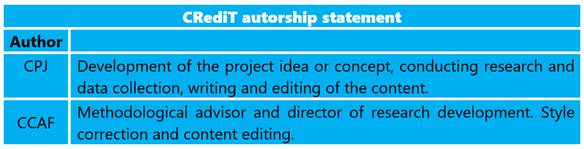
on the use of artificial intelligence: The authors of this article declare that we have
not used Artificial Intelligence in its preparation.
References
Báez, M. and D´Ottavio, M. (2019). La diversidad en el aula: el
desafío de interpretar la singularidad de los procesos de alfabetización
inicial. https://rephip.unr.edu.ar/items/f501e28d-a21f-4335-b111-87b8db0caec4
Bonilla-Mejía, J. Londoño-Ortega, E. Cardona-Sosa. L. and
Trujillo-Escalante, L. (2018). "¿Quiénes son los docentes en Colombia?
Características generales y brechas regionales. En Documentos de trabajo
sobre Economía Regional y Urbana. Número 276, https://repositorio.banrep.gov.co/server/
api/core/bitstreams/f48bd891-2007-4433-9ea1-4e5210c370aa/content
Bourdieu, P. and Passeron, J. (2008). La reproducción: Elementos para
una teoría del sistema de enseñanza. (1.ª ed., P. Fernández, Trad.).
Ediciones Laia. (Trabajo original publicado en 1970)
Cabrera Cuevas, J. (2003). Discurso docente en el aula. Estudios
Pedagógicos, 29, 7-26. https://www.redalyc. org/pdf/1735/173514130001.pdf
Carrero Arango, M. and González Rodríguez, M. (2016). La educación rural
en Colombia: experiencias y perspectivas. Praxis Pedagógica, 19, 79-89.
https://revistas.uniminuto.edu/index.php/praxis/ article/download/1377/1312
Contreras-Colmenares, A. F. (2004). Mediación de los procesos
cognitivos en el aprendizaje de la lectura. Litoformas.
Contreras-Colmenares, A. F. (2024). Metapráctica pedagógica: progresión
desde la praxis pedagógica. Revista Paramillo. 36, 91-120.
https://www.ucat.edu.ve/web/wp-content/uploads/2021/11/Revista_ Paramillo_
2021_Digital_7.pdf
Cruz Aguilar, E. (2020). La educación transformadora en el pensamiento
de Paulo Freire. Educere, 24, (78), 197-206.
https://www.redalyc.org/journal/356/35663284002/35663284002.pdf
Díaz Barriga, F. (2019). La profesión del docente.
https://www.youtube.com/watch?v=_KzFPGjsnFs
Dietz, G. (2009). Los actores indígenas ante la “interculturalización”
de la educación superior en México: ¿empoderamiento o neoindigenismo? Revista
Latinoamericana de Educación Inclusiva, (3(2),55-75).
https://cultura-sorda.org/wp-content/uploads/2015/03/Rev.-Ed.-Inc.-Vol32C2-Educacion-
Intercultural.pdf
Ferreiro, A. (1944). La escuela rural en el Uruguay. Talleres
gráficos. http://www.autoresdeluruguay.uy/
biblioteca/julio_castro/lib/exe/fetch.php?media=la_escuela_rural.pdf
Ferreiro, A. (2010). La enseñanza primaria en el medio rural.
Quinta Edición. Sección: Del escribir y del hablar. Uruguay: Departamento de
Educación para el medio rural Centro Agustín Ferreiro.
Ferreiro, E. (1982). Procesos de adquisición de la lengua escrita dentro
del contexto escolar. Revista de investigación Educativa, 3, 1-52.
http://www.lecturayvida.fahce.unlp.edu.ar/numeros/a4n2/04_02_Ferreiro.pdf
Freire, P. (1977). Pedagogía del oprimido. Siglo XXI.
Gemini, Google (2025). Asistencia de redacción mediante inteligencia
artificial sobre el discurso del docente en el medio rural.
Giles, H. Taylor, D. y Bourhis, R. (1973). Towards a theory of
interpersonal accommodation through language: some Canadian data. In Language
in Socety, number 2, (pages 177-192).
https://www.academia.edu/19637517/Towards_a_theory_of_interpersonal_accommodation_through_language_some_Canadian_data
González Lira, A. Becerra Silva, M. and Moreno Tapia, J. (2021). La
enseñanza y el aprendizaje en las escuelas primarias multigrado en México y
Colombia. Revista Conrado, 17(79), 351-359).
http://scielo.sld.cu/pdf/rc/v17n79/1990-8644-rc-17-79-351.pdf
Kaufman, A. (2007). Leer y escribir el día a día en las aulas.
Grupo Editor S.A.
Lerner, D. (2001). Leer y escribir en la escuela: lo real, lo posible
y lo necesario. https://newz33preescolar.files.
wordpress.com/2019/10/leer-y-escribir-en-la-escuela-delia-lerner-2001-compressed.pdf
Ley 115, Ley General de Educación (1994). Publicada el 8 de
febrero de 1994.
Mendoza-Ponce, F. W. (2024). La calidad de la educación en el ámbito
rural: Una revisión sistemática 2017 - 2023. Episteme Koinonía. Revista
Electrónica de Ciencias de la Educación, Humanidades, Artes y Bellas Artes.
Año VII. 7(1), 150 – 167).
https://ve.scielo.org/pdf/ek/v7s1/2665-0282-ek-7-s1-150.pdf
Microsoft Copilot. (2025, junio 19). El discurso docente en la
enseñanza de la lectura y la escritura [Comunicación con modelo de lenguaje
IA]. Microsoft. https://copilot.microsoft.com
Ministerio de Educación Nacional (1998). Lineamientos curriculares
Lengua Castellana. Santa fe de Bogotá: Autor.
Ministerio de Educación Nacional (2006). Estándares básicos de
competencias del lenguaje. Formar en lenguaje: apertura de caminos para la
interlocución.
https://www.mineducacion.gov.co/1780/articles-116042_archivo_pdf1.pdf
Ministerio de Educación Nacional (2009). Proyecto de Educación Rural.
https://www.mineducacion.gov. co/1621/w3-printer-329722.html
Ministerio de Educación Nacional (2022). Programa todos a aprender.
https://www.mineducacion.gov. co/1780/articles-363488_recurso_2.pdf
Ministerio de Educación Nacional. (2002). Decreto 1278 de 2002, por el
cual se expide el Estatuto de Profesionalización Docente. Diario Oficial
44.840. https://www.mineducacion.gov.co/1621/articles-86102_archivo_pdf.pdf
Ministerio de Educación Nacional. (2013). Sistema Colombiano de
Formación de Educadores y Lineamientos de Política. Viceministerio de
Educación Superior. https://www.mineducacion.gov.co/
1759/articles-345822_recurso_1.pdf
Moreno Fernández, F. (1998). Principios de sociolingüística y
sociología del lenguaje. Ariel.
Núñez, J. (2010). Pertinencia de la educación rural venezolana y
latinoamericana. Revista Iberoamericana, 52(7), 1-14.
https://rieoei.org/rie/article/view/1762
OpenAI. (2025, junio 19). Asistencia generada por ChatGPT sobre el
discurso del docente rural. ChatGPT. https://chat.openai.com/
Patiño Garzón, L. (2007). Aportes del enfoque histórico cultural para la
enseñanza. Educación y Educadores, 10(1),53-60).
http://www.scielo.org.co/pdf/eded/v10n1/ v10n1a05.pdf
Sánchez Cardona M. (2016). Capítulo II. La cultura de la paz: teoría
y realidades. https://revistas.unal.edu.co/index.php/peju/article/download/36560/38479/154479
Santamaría-Cárdaba, N. and Sampedro Gallego,
R. (2020). La escuela rural: una revisión de la literatura Zientífica. Ager.
Revista de Estudios sobre Despoblación y Desarrollo Rural, 30, 153-176.
https://www.researchgate.net/publication/347334358_La_escuela_rural_una_revision_de_la_literatura_cientifica_The_Rural_School_A_Review_of_the_Scientific_Literature
Schön, D. A. (1983). The Reflective Practitioner: How Professionals
Think in Action. Basic Books.
https://www.academia.edu/36335079/Donald_A_Sch%C3%B6n_The_Reflective_Practitioner_How_Professionals_Think_In_Action_Basic_Books_1984_pdf
Silva Batatina, M. (2017). El transitar en la investigación narrativa y
su empleo en la construcción de teoría. Revista de Investigación,
41(91), 124-142. Universidad Pedagógica Experimental Libertador.
https://www.redalyc.org/pdf/3761/376156277008.pdf
Silva Zapata, B. and Rodríguez Bedoya, M. (2022). La educación rural
en Latinoamérica: una mirada desde la perspectiva psicoeducativa de la
cognición situada. Trabajo de grado. Universidad Cooperativa de Colombia.
https://repository.ucc.edu.co/server/api/core/bitstreams/bc1fa551-51c3-4669-92ce-ca5304f5a08e/content
Terigi, F. (2013). El aprendizaje del sistema de numeración en el
contexto didáctico del plurigrado. Estudio de la adquisición del sistema de
numeración en niños y niñas que inician su escolaridad primaria en secciones
múltiples en escuelas rurales argentinas. Tesis doctoral.
https://repositorio.uam.es/bitstream/handle/10486/661649/terigi_flaviazulema.pdf
Van Dijk, J. (1999). Ideología: Una aproximación multidisciplinaria. Gedisa.
Van Dijk, T (1997). El estudio del discurso. [Documento en línea]. Elena
Malengo (Trad.).
https://padron.entretemas.com.ve/cursos/AdelD/unidad1/1EstudioDiscurso.pdf
Vygotsky, L. (1978). La mente en la sociedad: el desarrollo de
procesos psicológicos superiores. Grijalbo.
Article
received date: March 20, 2026
Article
acceptance date: April 9, 2026
Date approved
for layout: April 13, 2026
Publication
date: June 30, 2026